Minutes vs days: why POCT at screening could save your trial thousands of dollars per day
Every day a clinical trial runs late, it costs money. Most protocol teams underestimate by how much. Tufts researchers put the mean direct cost of running a Phase II or III trial at around $40,000 a day. Phase III trials alone average $55,716 a day, Phase II close behind at $23,737. Once a therapy reaches the market, a single day of delay can represent roughly $800,000 in lost prescription drug or biologic sales.*
That's a strong argument for finding every legitimate day you can save. Point-of-care testing, or POCT, is one of the more overlooked ways to do it. When it gets introduced to a study matters almost as much as whether it's used at all.
It starts at the protocol stage, not the site
POCT usually gets treated as an operational decision: something a site or CRO works out once a study is already running. That leaves value on the table. POCT does the most good earlier, while eligibility criteria, visit schedules and lab strategy are still being drafted into the clinical protocol.
Build it in from the start and it can shape how screening visits are structured and how fast a site can act on a result. Add it in later, once the central lab pathway is already written into the protocol and contracts, and you're patching in a workaround instead of designing a faster study. The earlier that conversation happens, the more time is actually there to save.
Where it earns its keep: patient screening
If there's one stage where POCT consistently proves its worth, it's patient screening. It matters most on Phase II and Phase III studies, where eligibility criteria tend to be tighter and enrolment windows more pressured.
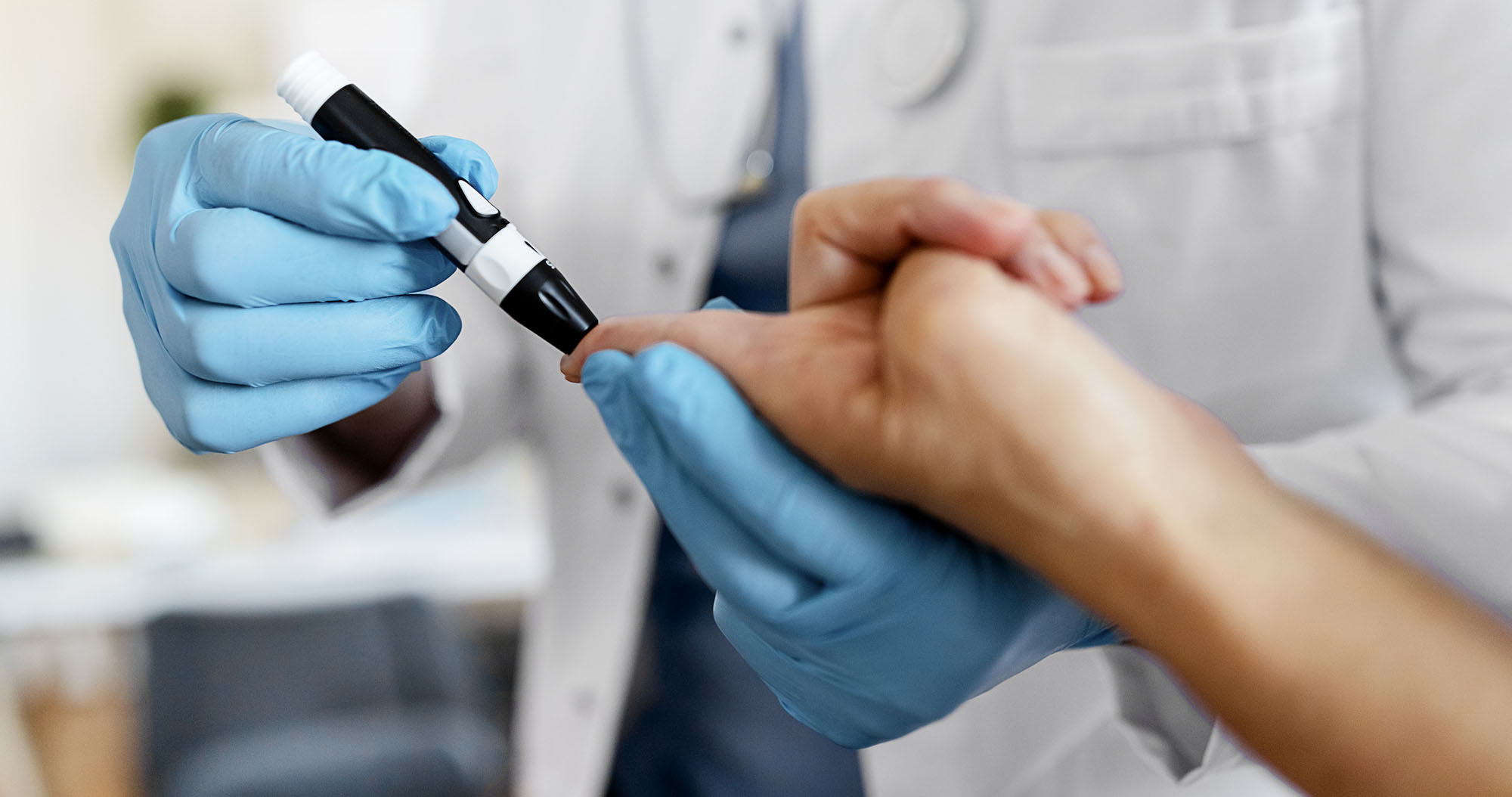
Screen a patient with POCT and a site has suitability data within minutes. Send the same sample to a central lab and that answer can take days. By the time it comes back, the patient may have moved on or the screening window may have closed, and a coordinator ends up rebooking a visit that shouldn't have needed a second try. Multiply that across dozens or hundreds of patients and several sites, and the gap between minutes and days adds up fast, right at the stage where trials most often lose time in the first place, as demonstrated in this Phase III study.
What a day actually costs, multiplied
Put the Tufts figures next to a typical screening timeline and the case stops being abstract. At roughly $40,000 a day for a Phase II or III trial, shaving even two or three days off screening turnaround per patient across a multi-site cohort adds up to a meaningful chunk of the trial's operating budget. That's before factoring in the commercial cost of a delayed launch.*
A study built around fast, on-site suitability data from the outset isn't just running smoother day to day. It's avoiding a cost that stacks up across every site and every extra week the trial runs.
It also suits decentralized trials, and helps keep patients on board
POCT isn't only about speed. It supports decentralized and hybrid trial models too, where testing moves closer to the patient instead of routing every sample through a central lab and a follow-up visit. That changes the patient experience, and patient experience has a direct line to retention.
Tufts' research into decentralized trial components found dropout rates in Phase III studies using wearables and mobile apps fell from 28.6% to 26.1%, alongside a roughly 10% drop in screen failure rates.^ POCT sits in that same bracket: fewer extra visits, less time spent waiting on results. Tufts also puts patient dropout across trials at around 30% overall, and replacing a withdrawn patient can cost roughly three times what it took to recruit them in the first place. A modest improvement in retention pays for itself many times over.^
Worth raising before your next protocol is locked
POCT won't fit every study, and it isn't a replacement for central lab testing. But if you're writing a protocol now, particularly for a Phase II or III study with demanding screening criteria, the earlier POCT comes up, the more of its benefit you can actually capture.
If you'd like to talk through whether POCT makes sense for your next study, get in touch with our team for a free consultation.
Sources
* https://link.springer.com/article/10.1007/s43441-024-00667-w
^ https://www.clinicalresearchnewsonline.com/news/2022/07/13/tufts-study-provides-first-hard-metrics-around-decentralized-clinical-trials
Share
