The sleep revolution: why the future of health starts with a good night’s rest
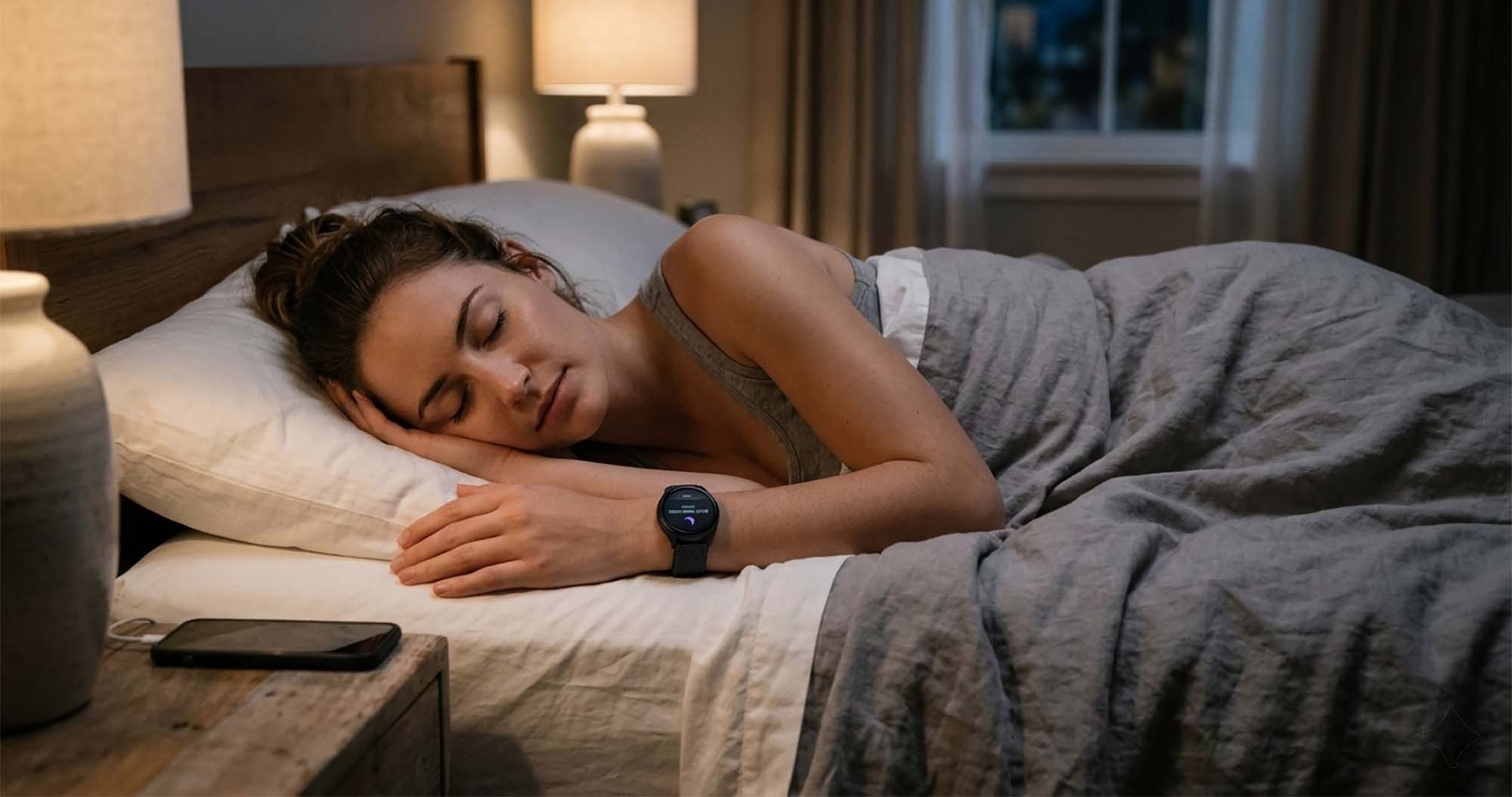
We’ve all heard that sleep is important, but for a long time, it was treated as the "passive" part of our lives - the downtime between the things that actually mattered. Today, that narrative has flipped. We are officially in the middle of a "Sleep Revolution," where sleep is recognized not just as a pillar of health, but as the very foundation upon which physical and mental wellbeing is built.
As of early 2026, the scientific community is doubling down on this realization. Global clinical registries like ClinicalTrials.gov currently list over 570,000 registered studies, with thousands of active trials specifically dedicated to sleep disorders such as insomnia, obstructive sleep apnea (OSA), and restless leg syndrome. This surge in research is reflected in the market too; the sleep tech device industry is projected to exceed $30 billion this year, signalling a massive shift in how we prioritize rest.
The silent engine of wellbeing
Why the sudden obsession? Because the data on sleep deprivation is startling. Sleep is the body’s primary mechanism for biological maintenance. During deep sleep, your brain literally "flushes out" toxins (via the glymphatic system), while your body repairs tissues and strengthens the immune system.
When we lack sleep, the effects on wellbeing are immediate and compounding:
- Cognitive decline: Just one night of poor sleep can impair your reaction time and decision-making to a level comparable to legal alcohol intoxication.
- Mental Health: There is a bi-directional link between sleep and mood. Chronic sleep issues are a leading predictor for the development of anxiety and depression.
- Physical Health: Prolonged sleep deficiency is linked to an increased risk of heart disease, Type 2 diabetes, and obesity.
From the Lab to the Living Room: The Decentralized Shift
Historically, sleep studies required a "Polysomnography" (PSG) test—a night spent in a clinical lab, covered in wires and monitored by technicians. While accurate, it was invasive and didn't reflect a patient's natural environment.
Enter the era of wearable technology. Devices like the Oura Ring, Apple Watch, and medical-grade actigraphy monitors have transformed sleep research. We are seeing a "Great Migration" toward Decentralized Clinical Trials (DCTs). Instead of bringing the patient to the lab, researchers bring the lab to the patient.
The role of secure data transfer
This shift is made possible by third-party secure data transfer companies. These specialists act as the "secure bridge" between your wearable device and the clinical researcher. By using encrypted, HIPAA-compliant channels, they provide:
- Quick access to data: Researchers no longer wait months for a study to end; they can see real-time sleep architecture and heart rate variability (HRV) as it happens.
- Higher data integrity: Automated transfers eliminate manual entry errors, ensuring that the data used for new drug or therapy approvals is 100% accurate.
Growing tech, growing opportunities
The synergy between technology and research is clear: as wearable technology grows, the opportunity for life-changing sleep studies grows with it. Modern wearables are moving beyond simple "step counting" and into medical-grade biosensing. New sensors can now detect early signs of sleep apnea or even predict a flu onset days before symptoms appear. For clinical trials, this means we can now study diverse populations across the globe without the geographical constraints of a physical clinic.
The "sleep revolution" isn't just about sleeping better tonight; it’s about a future where our devices help us understand our health more deeply than ever before.
Share
