When calibration goes wrong, so does your Clinical Trial
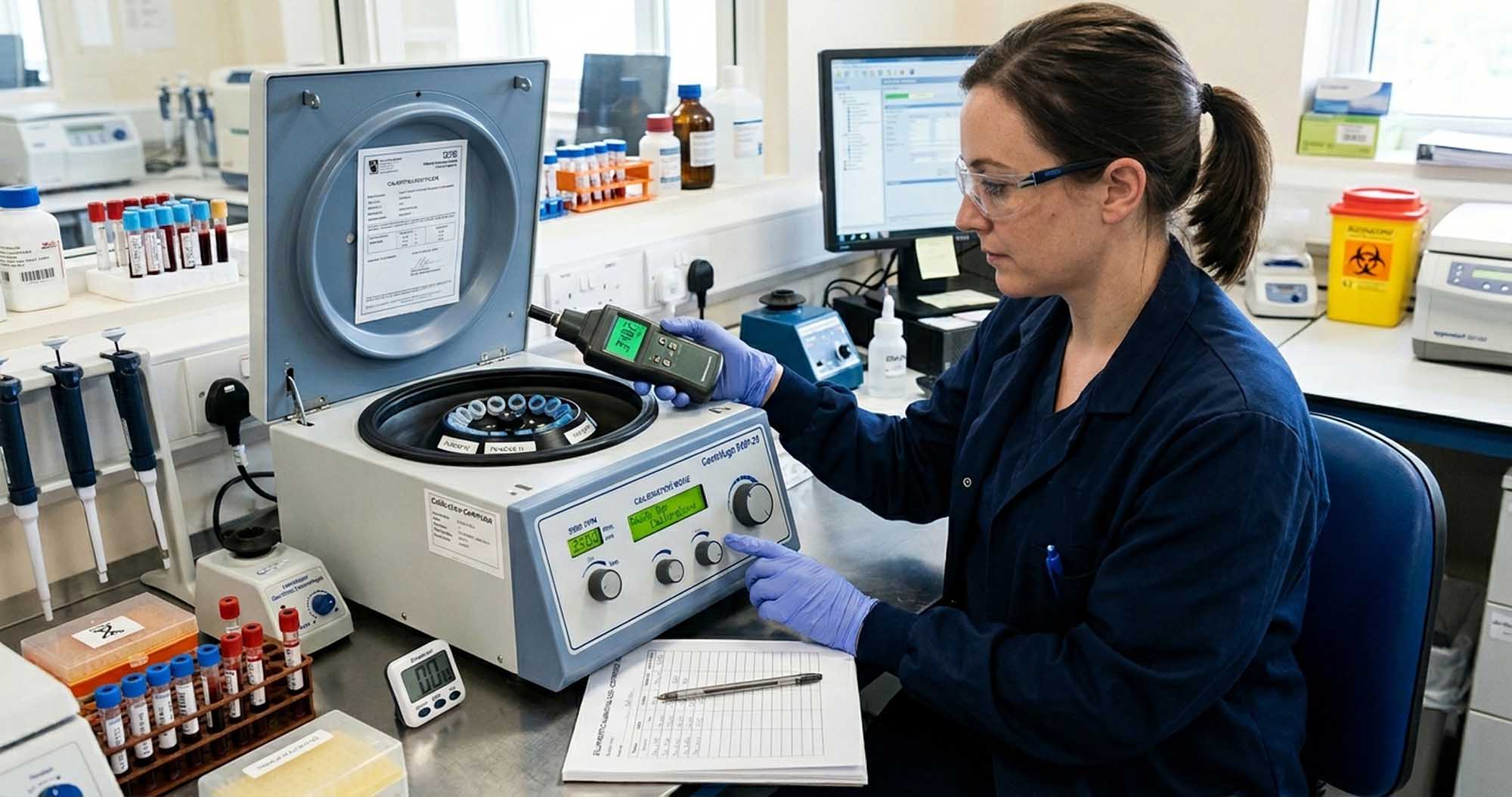
You've spent months on protocol design. You've navigated ethics approvals, site selections, and patient recruitment. Your first visit dates are locked. And then - quietly, without any warning flags - a piece of equipment begins feeding your study the wrong numbers.
Medical equipment calibration failures rarely announce themselves with drama. They accumulate slowly, eroding your data one measurement at a time, until the point where no one can say with confidence what's real and what isn't.
If you've ever managed Clinical Trial equipment, you'll recognise the gnawing unease that comes from not knowing for certain whether your devices have been properly set up. This is the problem that calibration - done properly, by a supplier you can trust - is designed to prevent.
Why this happens more than it should
The root cause is often not negligence - it's assumption. Equipment is purchased or rented, dispatched, and assumed to be ready. In busy procurement pipelines, the question of whether a device has been calibrated, certified, and documented to the required standard is easy to overlook until something goes wrong.Some of the most common failure points include:
- Devices shipped without documented calibration certificates traceable to national or international standards
- Equipment calibrated for general laboratory use, not aligned to the specific measurement ranges required by the protocol
- No calibration recall process in place — devices drift over the course of a multi-year study with no checks scheduled
- Calibration records that cannot withstand regulatory scrutiny during audit
- Multiple calibration standards used across sites, creating inter-site variability that only emerges during data analysis
The knock-on effects extend far beyond the device itself. Poor calibration undermines data integrity, jeopardises patient safety decisions, triggers protocol deviations, and can ultimately call into question the validity of an entire study endpoint.
The impact on your study - in practical terms
Patient dropout
Incorrect readings trigger unnecessary withdrawals, reducing your evaluable population and statistical power.
Study delays
Equipment recalls, re-calibration, and site pauses add weeks or months to your timeline — and costs you can't easily recover.
Data integrity
Uncertified or inconsistent calibration can invalidate measurements — and with them, entire data sets and regulatory submissions.
What good calibration actually looks like
At Woodley Trial Solutions, calibration is not a box-ticking exercise. When clients choose to utilise our calibration service alongside our equipment rental model, it becomes a core part of how we prepare devices for the specific demands of their study — and how we keep them reliable throughout the trial's life cycle.
Our calibration service is available across a comprehensive range of laboratory and medical devices used in Clinical Trials, including spirometers, blood pressure monitors, thermometers, weighing scales, infusion pumps, centrifuges, medical fridges and freezers, and more. Where the service is taken up, every device is calibrated to national and international measurement standards, with full documentation that is audit-ready from day one.
- Calibration certificates provided for every calibrated device
- Protocol-aligned calibration — we work to the measurement parameters your study demands, not generic defaults
- Scheduled re-calibration reminders and recall management built into our study support, so nothing drifts unnoticed
- Consistent calibration standards across all sites and geographies, protecting your inter-site data comparability
- Rapid turnaround for replacement or re-calibrated devices when issues are identified in the field
The supplier relationship matters more than you think
There's a real difference between a supplier who ships equipment and a supplier who takes responsibility for it. When calibration is handled by someone who understands your protocol, knows the regulatory environment, and has a team ready to respond when something needs attention — you get something more valuable than a calibration certificate. You get confidence.
That confidence translates directly into fewer protocol deviations, more robust data, and the peace of mind that comes from knowing your equipment is not the weak link in your study.
With over 35 years of experience supporting clinical trials globally and ISO 9001:2015 certification underpinning everything we do, Woodley Trial Solutions is built around exactly this kind of reliability. We believe that when we prepare a device for your trial, it should work flawlessly — and if anything changes, we should be the first to know and the fastest to fix it.
If you've had the experience of chasing down calibration records under audit pressure, or faced the uncomfortable conversation about data you can no longer fully trust — you'll know the value of getting this right from the start.
Share
