World Diabetes Day 2026: why early action starts with research
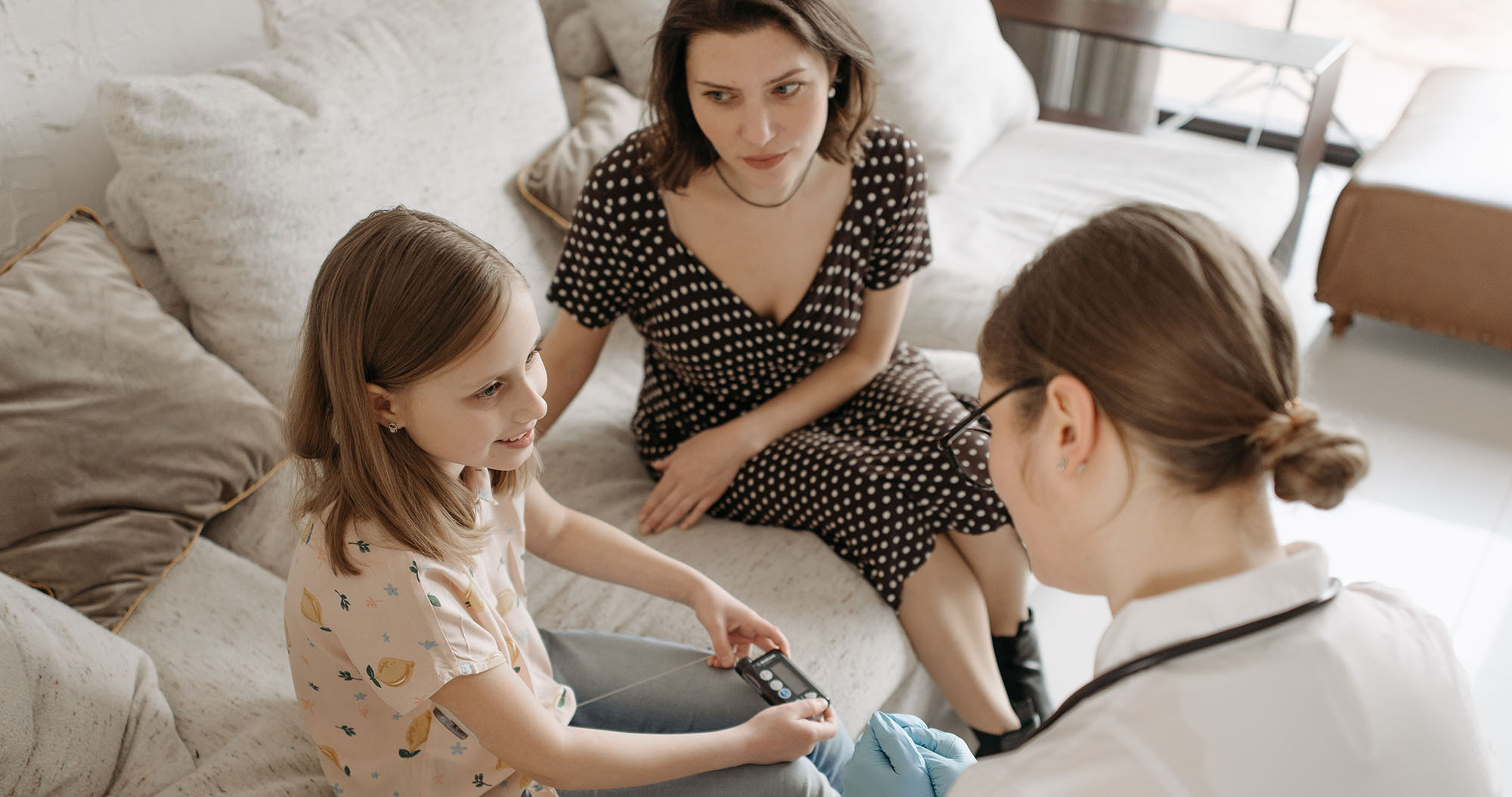
Saturday 14 November is World Diabetes Day. This year the
International Diabetes Federation begins a two-year campaign, Early Action on
Diabetes, focused on earlier diagnosis and on reducing people's risk of
developing the condition at all. [1]
The case for it is easy to make. Around 589 million adults
are living with diabetes worldwide, and an estimated 252 million of them
haven't been diagnosed. By 2050 the total is expected to reach 853 million. [2] A lot of people only find out once
complications have already started, and by then the best chance to prevent or
delay them has passed.
If you want to act on the theme yourself, the IDF has a free type 2 diabetes risk test on the World Diabetes Day website. It takes a few minutes, and more than 330,000 people have already done it. [3] If your result comes back high, it's worth talking to your GP or doctor.
What research has shown about acting early
Most of what we know about early action on diabetes was
first tested in a clinical trial. Some of the results have changed how the
condition is understood.
Prevention is the obvious example. Large trials in the US
and Finland followed adults at high risk of type 2 diabetes over several years,
and the people who made lasting changes to their diet and activity cut their
risk of developing it by more than half. [4] [5] Much of the prevention advice people get
today still traces back to that evidence.
Research has also changed what a type 2 diagnosis means. In
a UK study run through GP practices, almost half the people on a structured
weight management programme were in remission a year later. [6] For a long time, type 2 diabetes was
thought of as something that only ever got worse.
Type 1 diabetes has seen a shift that would have been hard
to imagine 20 years ago. Researchers can now identify people likely to develop
it well before symptoms appear, and an immunotherapy tested in people at high
risk delayed diagnosis by a median of around two years. In 2022 it became the
first treatment approved in the US to delay the onset of type 1 diabetes. [7] Two years can sound small next to a
lifetime of diabetes, but for a child it can be the difference between being
diagnosed at eight and being diagnosed at ten.
Monitoring has moved on too. Trials comparing continuous glucose monitoring with finger-prick testing found better blood sugar control
in adults with type 1 and type 2 diabetes, [8] and CGM is now one of the main ways diabetes research collects its data.
All of these findings depended on people volunteering for
studies, often for years, with no guarantee it would help them personally.
That's what we think about most on World Diabetes Day.
The work behind a study that runs on time
A diabetes trial depends on a lot of work that the people
taking part never see. Before the first participant is enrolled, glucose andketone monitors have to be sourced, set up and shipped to every site on the
protocol, often across several countries with different import rules. Patient kits have to arrive packed and complete, so site staff can open a box and getstarted instead of hunting for missing lancets. Once the study is under way, a
participant wearing a sensor at home needs someone to call when it won't pair
late at night, and someone has to keep track of every device and resupply
across every site.
When all of that goes right, nobody notices. Sites open when
they're meant to, and participants never have to think about where their sensor
came from.
When it goes wrong, real people feel it. Someone who
rearranged their week for a study visit finds it can't go ahead. A missing week
of glucose readings leaves a hole in the data the study was set up to collect.
Small delays add up, and every month a trial runs late is another month before
a treatment that works can reach the people who need it.
That's why this side of diabetes research matters so much to
our team. Acting early depends on good evidence, and good evidence depends on
studies that start on time and keep running smoothly.
Planning a diabetes study?
If you're running or planning a diabetes trial, this is the work we do every day. We supply metabolic monitoring devices from Dexcom and Abbott, covering CGM, BGM and BKM, alongside Site-Ready Patient Kits that arrive ready for the first visit. Our project managers and technical support team handle the rest, so devices reach every site on time and keep working until the last participant visit. Over the past three years, we've suppliedequipment to 82 countries.
Talk to our team about your next diabetes study.
Sources
1. https://idf.org/news/wdd-2026-27/
2. https://idf.org/about-diabetes/diabetes-facts-figures/
3. https://worlddiabetesday.org
4. https://pmc.ncbi.nlm.nih.gov/articles/PMC1370926
5. https://www.mdedge.com/content/can-type-2-diabetes-be-prevented-through-diet-and-exercise
6. https://www.gla.ac.uk/news/headline_1049216_en.html
7. https://trialnet.org/our-research/completed-studies/teplizumab
Share
